
Why Is My Cat Peeing Everywhere?
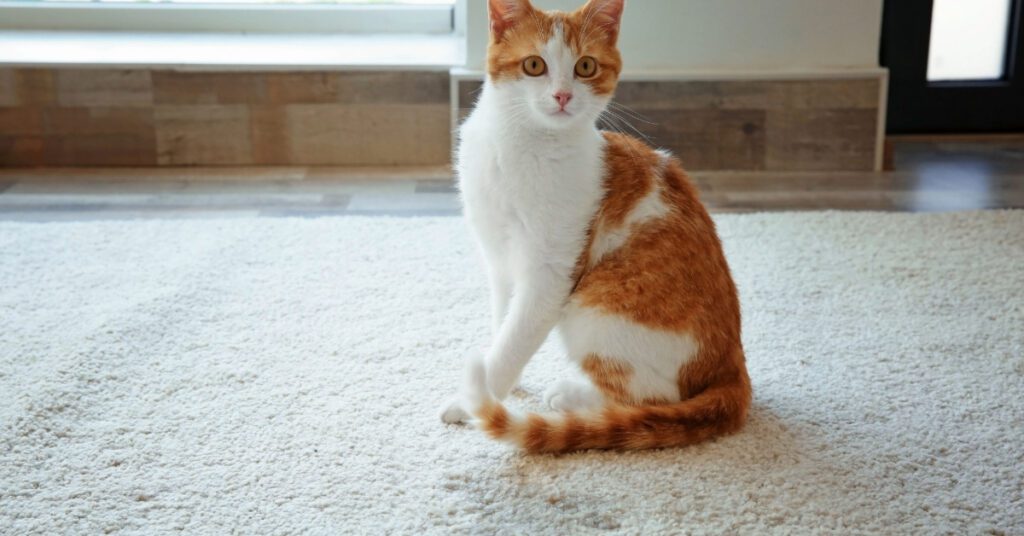
If you’ve been finding wet spots on the carpet, laundry, or furniture, you’re probably asking yourself, “Why is my cat peeing everywhere?”, and you’re not alone. This is one of the most common behavior concerns cat owners bring up, and the causes range from simple litter box preferences to underlying medical issues that need veterinary attention. At Trinity Veterinary Hospital in Stillwater, OK, we see cats of every age and background dealing with this exact issue, so understanding the possible reasons behind why your cat is peeing everywhere is the first step toward getting things back on track. Below, we’ll discuss litter box habits, differences between male and female cats, and when it’s time to bring in our veterinary team.
Why Is My Cat Peeing Outside the Litter Box?
Litter box habits are often the first place to look when trying to answer “Why is my cat peeing everywhere?”, since even small changes to the box itself can shift a cat’s behavior.
Litter Box Setup and Cleanliness
Cats are naturally particular about where they eliminate, and a box that isn’t cleaned often enough is one of the most common reasons behind “Why is my cat peeing everywhere?” Most cats prefer a box scooped at least once daily, with a full litter change on a regular schedule. The type of litter, the depth of the litter, and even the shape of the box can all influence whether a cat is willing to use it consistently.
Location and Number of Litter Boxes
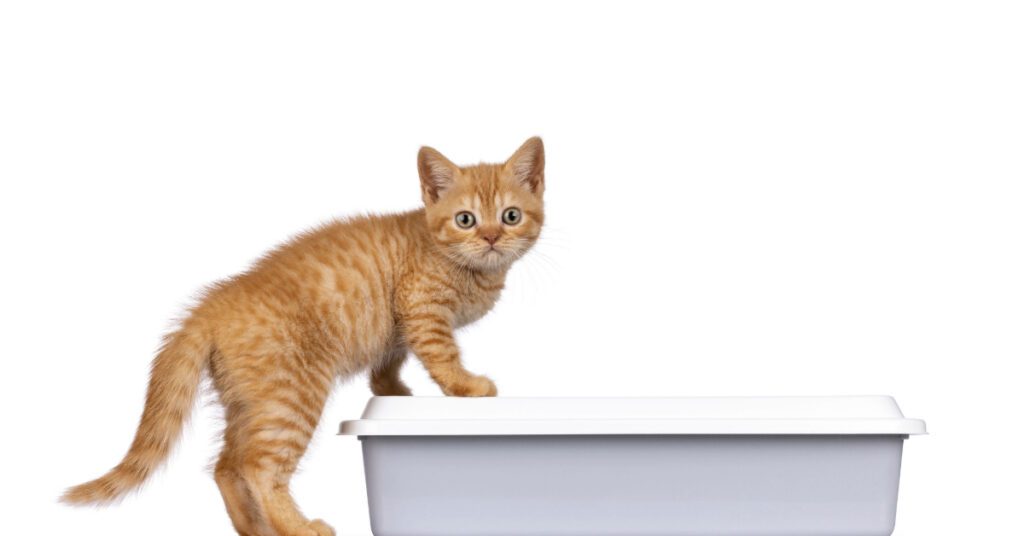
Where boxes are placed matters just as much as how clean they are. A box tucked in a noisy, high-traffic area, or one that’s hard for an older or less mobile cat to reach, can lead to accidents elsewhere in the home. A general guideline many veterinarians recommend is one litter box per cat, plus one extra, spread across different areas of the home rather than clustered together. A few setup details worth reviewing if you’re wondering, “Why is my cat peeing everywhere?” include:
- Box size relative to your cat’s body length, since a cramped box discourages regular use
- Covered versus uncovered boxes, since some cats avoid enclosed spaces
- Distance from food and water bowls, since many cats prefer these kept separate
Multi-Cat Household Dynamics
In homes with more than one cat, competition or tension over a shared litter box can also lead to accidents, even when the box itself seems perfectly adequate. One cat guarding access to the box, or general stress between housemates, is a common but easy to overlook factor behind why your cat is peeing everywhere in multi-cat households.

Why Is My Female Cat Peeing Everywhere?
Female cats can have some specific triggers behind inappropriate urination, and understanding why your cat is peeing everywhere often starts with a closer look at hormonal and behavioral patterns unique to unspayed or recently spayed females.
Hormonal and Reproductive Factors
Unspayed female cats in heat may urinate more frequently, including outside the litter box, as part of natural mating behavior. This is one of the more common answers to “Why is my cat peeing everywhere?” in intact female cats, and spaying is generally the long-term solution veterinarians recommend for this specific cause, though the decision should always be made in consultation with your veterinary team. Heat cycles can recur every few weeks in an unspayed cat, so this pattern often repeats until the underlying hormonal cause is addressed.
Stress-Related Triggers in Female Cats
Female cats can also be sensitive to changes in their environment, including a new pet, a move, or even rearranged furniture. This kind of stress-related urination often shows up as marking near windows, doors, or new objects in the home, and it’s a pattern our team at Trinity Veterinary Hospital frequently helps owners work through. Identifying what changed around the time accidents started is often the most useful clue for narrowing down a stress-related cause.
Age-Related Changes in Female Cats
As female cats age, mobility changes or age-related health conditions can also make it harder to reach or comfortably use a litter box, particularly one with high sides or a location that requires stairs. This is worth mentioning at a wellness visit if an older female cat suddenly starts having accidents after years of consistent litter box use.
Why Is My Male Cat Peeing Everywhere?
Male cats bring their own set of possible explanations to the “Why is my cat peeing everywhere?” question, including some patterns that differ noticeably from what’s typical in females.
Territorial Marking Behavior
Unneutered male cats are especially prone to spraying small amounts of urine on vertical surfaces as a form of territorial marking, which is a different behavior from a full urination outside the box. This distinction matters when working through why your cat is peeing everywhere, since marking and inappropriate elimination often call for different approaches. A few signs that point toward marking rather than a litter box issue include:
- Small amounts of urine sprayed on vertical surfaces like walls or furniture legs
- Urination near windows or doors, often where outdoor cats or wildlife are visible
- Marking that increases after the introduction of a new pet or person in the home
Urinary Health Concerns in Male Cats
Male cats are also more prone to certain urinary tract issues that can cause painful or blocked urination, which is a medical emergency rather than a simple behavior problem. If a male cat is straining to urinate, crying out, or producing very little urine, this needs immediate veterinary attention rather than a wait-and-see approach at home. Neutered status can also play a role in how often marking behavior appears, since neutering earlier in life tends to reduce the likelihood of territorial spraying developing as a habit.
When Should You Be Concerned About a Cat Peeing Everywhere?
Not every instance of your cat peeing everywhere points to the same level of urgency, so knowing which signs call for a prompt veterinary visit matters. Some causes, like a dirty litter box or a recent household change, can often be addressed with simple adjustments, while others need a veterinarian’s evaluation before anything else is tried.
Signs That Warrant a Same-Day Call
Certain symptoms alongside inappropriate urination suggest a medical cause rather than a behavioral one, and these situations shouldn’t be managed at home. Warning signs to contact Trinity Veterinary Hospital about right away include:
- Straining, crying, or spending an unusually long time in the litter box without producing urine
- Blood visible in the urine or litter
- A sudden, dramatic increase in how often your cat is urinating or drinking water
Behavioral Versus Medical Causes
Because your cat peeing everywhere can stem from either a behavioral pattern or an underlying medical condition, a veterinary exam is often the clearest way to sort out which is at play. Bloodwork, a urinalysis, or other diagnostics can rule out common medical causes before addressing the behavioral side of the issue. Trying to guess at home which category a particular cat falls into can delay care for conditions that respond much better to early treatment.
Talk to Your Veterinary Team About Litter Box Habits
Getting to the bottom of “Why is my cat peeing everywhere?” usually takes a combination of careful observation at home and a proper veterinary evaluation, since the same symptom can point to very different underlying causes. Our team at Trinity Veterinary Hospital can help rule out medical issues and offer guidance tailored to your cat’s specific situation, rather than relying on general advice that may not fit every household. Call us at (405) 533-0001 or book an appointment online today. Bringing notes on when and where accidents happen, along with any recent changes at home, gives our veterinary team a clearer picture to work from at your next appointment, and it often speeds up how quickly the underlying cause gets identified.
Recent Posts
About Us
For over a decade, Trinity Veterinary Hospital has provided compassionate, faith-based care to pets in our college town and beyond. We treat every pet like family, offering routine checkups, boarding, and advanced care from a board-certified internist.