How Often Do Dogs Need Vaccines?
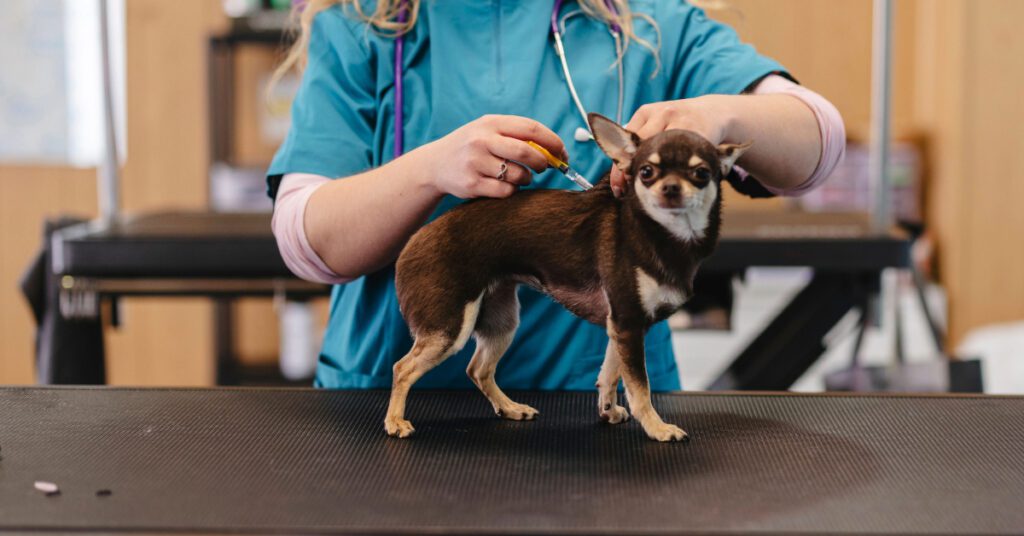
Bringing home a new puppy or adopting an adult dog comes with a lot of questions, and one of the most common is how often dogs need vaccines. Puppies need a series of vaccines every three to four weeks until about sixteen weeks old, while adult dogs typically follow a dog vaccine schedule that includes annual or triennial boosters depending on the vaccine type. At Trinity Veterinary Hospital in Stillwater, OK, our team builds a personalized vaccine plan for every patient based on age, lifestyle, and risk factors. Below, we break down exactly what to expect at each life stage, from the first puppy visit through the senior years, so you always know what’s coming next and why.
How Often Do Dogs Need Rabies Vaccines?
Rabies vaccination is one of the most important parts of any dog vaccine schedule because it protects your pet, your family, and your community from a fatal and legally regulated disease.
Puppy Rabies Vaccination Timing
Puppies typically receive their first rabies vaccine between twelve and sixteen weeks of age. This initial dose is a required step in the vaccination timeline for every young dog, regardless of breed or size. State and local laws in Oklahoma generally require this first rabies vaccine before a puppy reaches four months old, so scheduling an appointment early is essential.
Waiting too long to start a puppy’s dog vaccine schedule can create gaps in protection during a period when young dogs are especially vulnerable to exposure at parks, puppy classes, and boarding facilities. Many first-time owners are surprised to learn that a single missed appointment can push back the rest of the puppy series, since some vaccines depend on a minimum interval from the previous dose. Our veterinary team at Trinity Veterinary Hospital can confirm the exact timing that fits your puppy’s overall dog vaccine schedule, including how rabies fits alongside the rest of the puppy series.
Booster Frequency for Adult Dogs
After the initial rabies vaccine, dogs usually receive a booster one year later. Following that first annual booster, many veterinarians shift to a three-year rabies vaccine, depending on the vaccine brand used and state regulations. It’s worth noting that rabies vaccine intervals are legally mandated rather than optional, so your dog’s schedule must always comply with Oklahoma law. Because requirements can vary by county and even by boarding facility, it helps to double check the specific dog vaccine schedule your dog is on rather than assuming every rabies vaccine automatically lasts three years. A few points to keep in mind about rabies boosters and how they interact with daily life:
- Some counties require proof of current rabies vaccination for pet licensing, so keeping records handy simplifies renewals
- Certain boarding facilities and groomers request updated rabies certificates before accepting dogs, even if the dog vaccine schedule technically allows more time before the next dose
- Traveling across state lines with your dog may require an updated rabies certificate, regardless of where your dog falls in its current vaccine schedule
Why Consistency Matters
Missing a rabies booster doesn’t just create a legal issue. It can also reset the protection your dog has built up, which is why following a consistent dog vaccine schedule matters so much. If a booster is delayed significantly past its due date, some veterinarians will recommend restarting the initial vaccination series to ensure adequate immunity, which extends the overall timeline and adds unnecessary visits, extra cost, and additional stress for both dog and owner. Staying ahead of due dates is almost always simpler than trying to catch up later.

How Often Do Adult Dogs Need Vaccines?
Once a dog reaches adulthood, the dog vaccine schedule shifts from a series of closely spaced puppy shots to a more spaced-out maintenance plan built around core and non-core vaccines.
Core Vaccines for Adult Dogs
Core vaccines are considered essential for nearly every dog regardless of lifestyle, and they form the backbone of any adult dog vaccine schedule. These typically include distemper, parvovirus, adenovirus, leptospirosis, and rabies. Most core vaccines other than rabies are given annually or every three years after the initial puppy series and a one-year booster, depending on the specific vaccine used and your veterinarian’s recommendation.
A well-maintained schedule for these core vaccines protects against diseases that are highly contagious, potentially fatal, or both, which is part of why veterinarians rarely recommend skipping or stretching these intervals without a specific medical reason. Skipping a single core booster can leave meaningful gaps in protection, even if your dog seems perfectly healthy in the meantime.
Non-Core Vaccines Based on Lifestyle
Non-core vaccines are added to a dog vaccine schedule based on individual risk factors like boarding, dog park visits, hiking, or exposure to wildlife, so two dogs living in the same city might follow noticeably different plans. Common non-core vaccines include:
- Bordetella, often required for dogs who visit boarding kennels, groomers, or doggy daycare facilities on a regular basis
- Canine influenza, recommended for dogs frequently around large groups of other dogs at events or shared play spaces
Because every dog’s daily life looks different, our veterinarians at Trinity Veterinary Hospital review each pet’s routine before finalizing a non-core vaccine plan, and they revisit that plan any time your dog’s lifestyle changes, such as a move to a new neighborhood or a new daycare routine.
How Senior Dogs Fit Into the Schedule
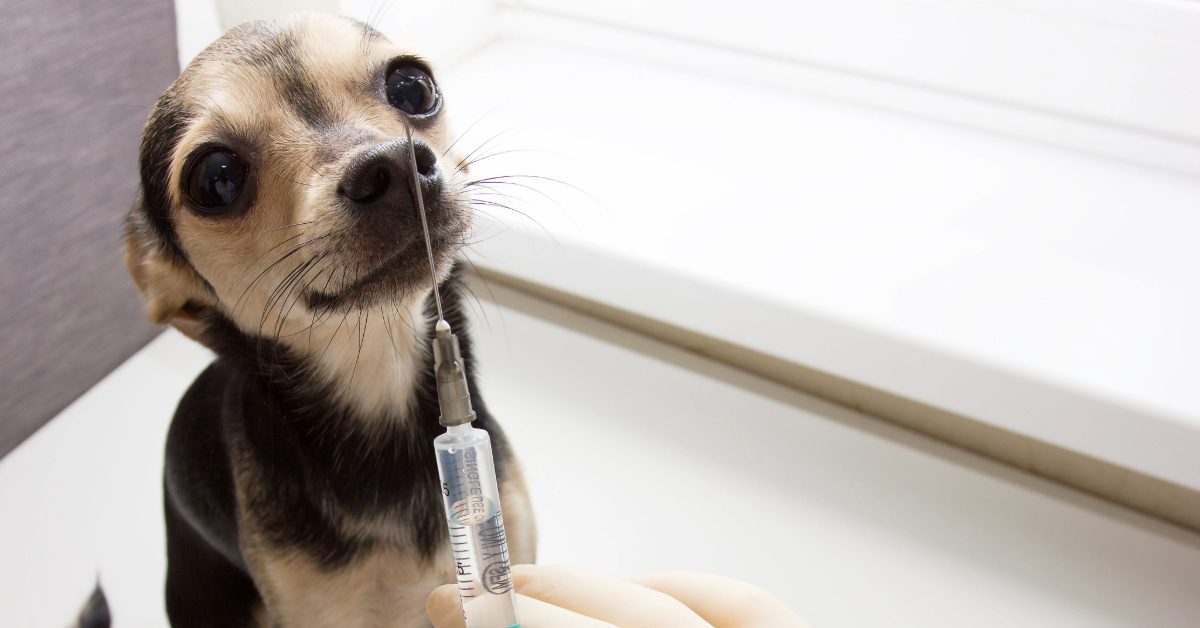
As dogs age, their dog vaccine schedule doesn’t necessarily shrink, but the conversation around it often changes. Senior dogs may have underlying health conditions that influence which vaccines are prioritized and how frequently boosters are given. Regular wellness exams become just as important as the vaccines themselves, since bloodwork and physical exams help determine whether a dog’s current vaccine plan still matches their health status.
A senior dog with a chronic condition, for example, may need a slightly adjusted schedule that accounts for medication interactions or a weaker immune response. Adjusting the schedule for an aging dog is a collaborative decision between you and your veterinary team, made visit by visit rather than set once and forgotten, with your dog’s comfort and quality of life always factored into the conversation.
Building a Vaccine Plan That Fits Your Dog
Every dog vaccine schedule should be treated as a living plan rather than a one-time checklist, because a dog’s needs change with age, environment, and health status over the years. Working closely with a trusted veterinary team means your dog’s vaccine plan gets reviewed and adjusted at every visit rather than left on autopilot, which reduces the odds of missing a due date or over-vaccinating unnecessarily. A few habits make it easier to stay on top of a dog vaccine schedule long term:
- Set calendar reminders a few weeks before each due date so appointments can be booked without a last-minute scramble
- Keep a physical or digital copy of vaccination records for daycare, boarding, travel, or emergency vet visits
- Ask your veterinarian to flag upcoming non-core vaccine needs whenever your dog’s lifestyle changes, such as starting daycare or moving to a new area
Trinity Veterinary Hospital works with pet owners across Stillwater to map out a dog vaccine schedule that fits each dog’s age, breed, and daily routine, so nothing falls through the cracks between visits. Whether you’re bringing home a brand-new puppy or scheduling a booster for a longtime family dog, a clear plan makes every visit more predictable and less stressful for everyone involved, and it gives you one less thing to worry about as the seasons change. Call us at (405) 533-0001 or book an appointment online.
Recent Posts
About Us
For over a decade, Trinity Veterinary Hospital has provided compassionate, faith-based care to pets in our college town and beyond. We treat every pet like family, offering routine checkups, boarding, and advanced care from a board-certified internist.