
Lymphoma in Dogs

If your dog has recently been diagnosed with lymphoma, you are probably feeling scared, overwhelmed, and full of questions. You are not alone, and you have come to the right place. Lymphoma in dogs is one of the most commonly diagnosed cancers in canines and while that news is difficult to hear, it also means that veterinarians and oncologists have more experience treating it than almost any other cancer. Lymphoma is a cancer of the lymphocytes, a type of white blood cell that plays a central role in the immune system. It can affect lymph nodes throughout the body, as well as organs such as the spleen, liver, and bone marrow. In this blog, we walk you through what dog lymphoma is, how it is diagnosed, what treatment looks like, and how your veterinarian can help you create the best plan for your pet.
What Is Lymphoma in Dogs?
Lymphoma is a type of cancer that originates in the lymphatic system, which is the network of tissues, vessels, and organs that help the body fight infection and disease. In dogs with lymphoma, abnormal lymphocytes multiply uncontrollably and can spread to multiple areas of the body at once. This is why lymphoma is considered a systemic disease rather than a localized tumor.
Dog lymphoma is not a single disease. There are several distinct types, each with different behaviors, prognoses, and treatment protocols. Understanding which type your dog has is one of the first and most important steps in building a treatment plan.
Types of Lymphoma in Dogs
Multicentric lymphoma is by far the most common form, accounting for roughly 80 to 85 percent of all cases. It primarily affects the lymph nodes throughout the body and is often the type people are referring to when they talk about canine lymphoma. Dogs with multicentric lymphoma typically present with enlarged lymph nodes that can be felt under the jaw, in front of the shoulders, in the armpits, in the groin, or behind the knees.
Alimentary lymphoma affects the gastrointestinal tract and can cause symptoms like chronic vomiting, diarrhea, and weight loss. Mediastinal lymphoma involves the lymphoid structures in the chest cavity, which can make breathing difficult. Extranodal lymphoma is a category that covers cases affecting organs or tissues outside of the lymph nodes, including the skin, eyes, kidneys, or nervous system.
What Causes Lymphoma in Dogs?
The exact cause of lymphoma in dogs is not fully understood. Research suggests that a combination of genetic predisposition, environmental factors, and immune system abnormalities may all play a role. Certain breeds appear to be at higher risk, including Golden Retrievers, Labrador Retrievers, Boxers, Basset Hounds, and Scottish Terriers. While no single trigger has been identified, ongoing research continues to shed light on contributing factors.
Signs and Symptoms of Dog Lymphoma
One of the reasons lymphoma in dogs can be difficult to catch early is that the initial symptoms are often subtle and easy to attribute to other conditions. As the disease progresses, symptoms become more noticeable. Knowing what to watch for gives you the best chance of seeking veterinary care promptly.
Early Warning Signs
The most common early sign of multicentric lymphoma is painless swelling of the lymph nodes. Many dog owners discover these lumps while petting their dog or during routine grooming. The swollen nodes typically feel firm, rubbery, and movable under the skin. Other early signs can include lethargy, reduced appetite, and mild weight loss.
Advanced Symptoms
As canine lymphoma advances, symptoms may include significant weight loss, increased thirst and urination, difficulty breathing, vomiting, diarrhea, and general weakness. Dogs in later stages of the disease may also develop hypercalcemia, or elevated calcium levels in the blood, which can cause its own set of complications including kidney problems and neurological symptoms. If you notice any of these changes in your dog, call us at (405) 533-0001 or book an appointment online as soon as possible. Early diagnosis allows for earlier intervention, which is associated with better outcomes.
How Is Lymphoma in Dogs Diagnosed?
Diagnosing lymphoma in dogs involves several steps, and your veterinarian will likely recommend a combination of tests to confirm the diagnosis and determine the extent of the disease. At Trinity Veterinary Hospital in Stillwater, OK, our team takes a thorough and compassionate approach to working through this process with you.
Physical Examination and Initial Testing
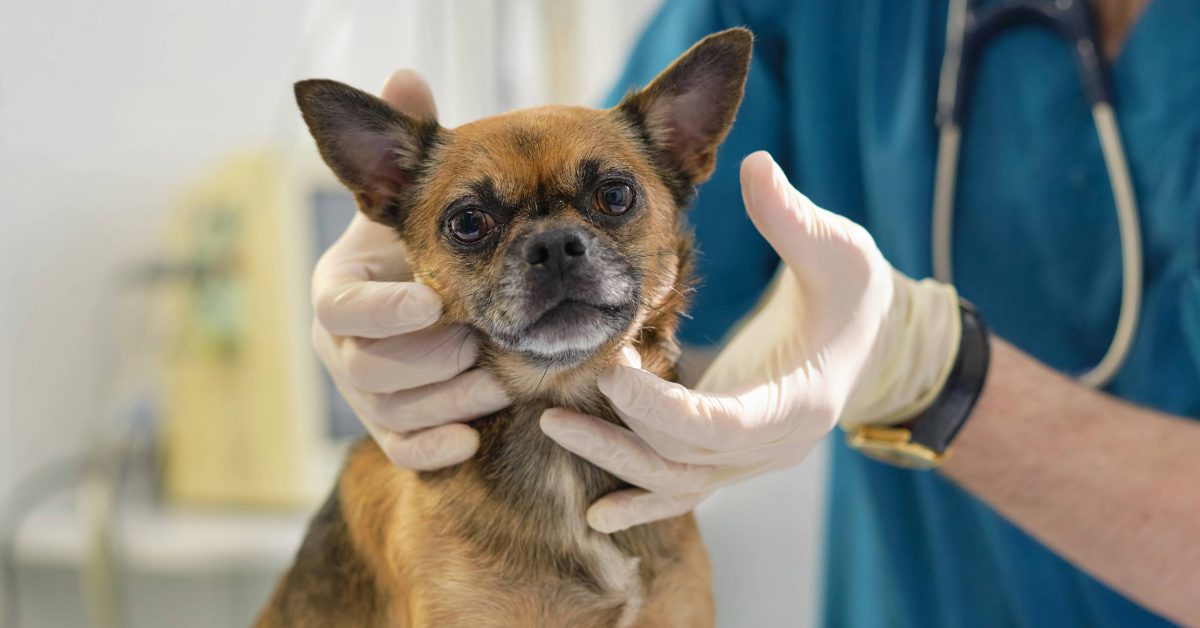
Your veterinarian will begin with a physical examination, palpating the lymph nodes and assessing your dog’s overall condition. Blood work and urinalysis are typically ordered to evaluate organ function and check for abnormalities like elevated calcium levels. Chest and abdominal radiographs may also be recommended to look for internal lymph node involvement or organ changes.
Fine Needle Aspiration and Biopsy
A fine needle aspirate (FNA) is often the first step in obtaining a tissue sample. During this quick, minimally invasive procedure, a small needle is used to collect cells from a swollen lymph node. These cells are then examined under a microscope. While an FNA can confirm the presence of lymphoma in many cases, a formal biopsy (which collects a larger tissue sample) is often needed for a definitive diagnosis and to classify the lymphoma type.
Staging Lymphoma in Dogs
Once lymphoma is confirmed, staging helps determine how far the disease has spread. Canine lymphoma is staged on a scale from I to V, with Stage I involving only a single lymph node and Stage V indicating spread to blood or bone marrow. Staging guides treatment decisions and helps your veterinary team give you a more accurate prognosis. Additional diagnostics for staging may include bone marrow aspiration, abdominal ultrasound, and advanced imaging.
Treatment Options for Dog Lymphoma
A lymphoma diagnosis can feel devastating, but it is important to know that many dogs respond well to treatment. Treatment for lymphoma in dogs is not about curing the disease in the traditional sense. It focuses on achieving remission, managing symptoms, and extending quality of life. The right approach depends on the type and stage of lymphoma, your dog’s overall health, and your family’s goals.
Chemotherapy for Canine Lymphoma
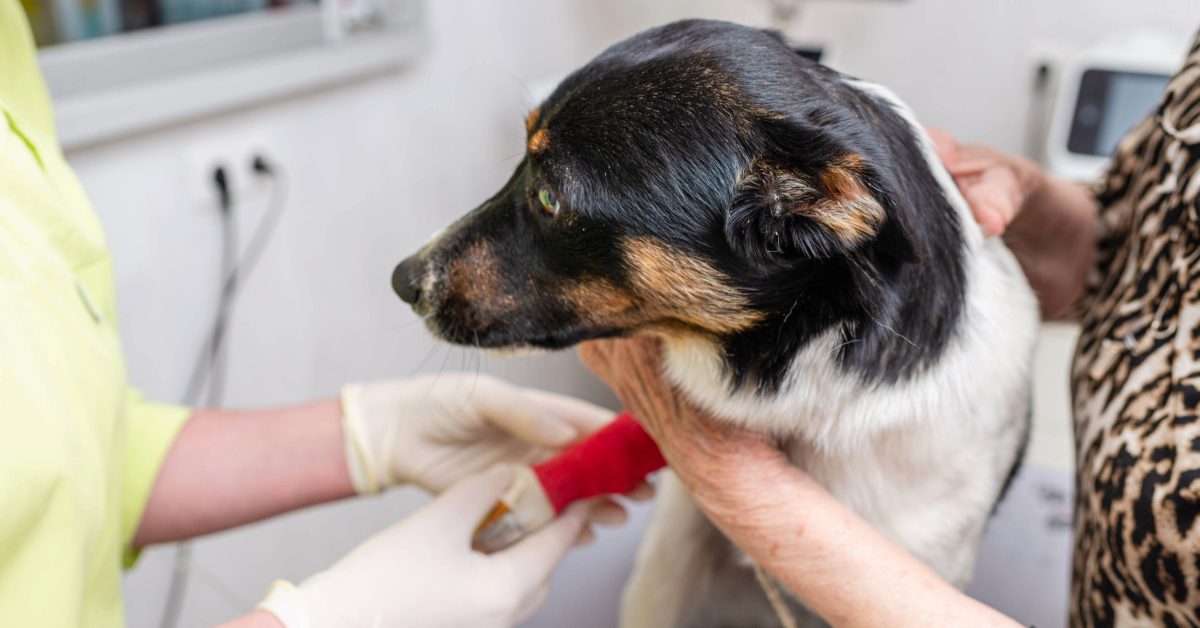
Chemotherapy is the most effective treatment for most types of dog lymphoma. The most commonly used protocol is called CHOP, which combines several chemotherapy drugs over a multi-week treatment schedule. Many dogs tolerate chemotherapy much better than humans do, often maintaining a good quality of life throughout treatment. Common side effects include mild nausea, decreased appetite, and temporary lethargy, though not every dog experiences these.
With CHOP chemotherapy, approximately 80 to 90 percent of dogs with multicentric lymphoma achieve remission. The average remission lasts 12 to 14 months, though some dogs remain in remission for significantly longer.
Other Treatment Approaches
For families who are unable to pursue full chemotherapy protocols, single-agent chemotherapy using prednisone or a single drug like lomustine can help manage the disease. While these approaches are less aggressive, they can still improve comfort and extend survival time. In some cases, radiation therapy may be appropriate, particularly for localized forms of lymphoma. Your veterinarian will help you understand which options are available and realistic for your specific situation.
Prognosis: What to Expect With Canine Lymphoma
One of the first questions most dog owners ask after a lymphoma diagnosis is, “How long does a dog live with lymphoma?” The honest answer is that it depends on many factors, including the type of lymphoma, the stage at diagnosis, the treatment chosen, and the individual dog.
Dogs with multicentric lymphoma who undergo CHOP chemotherapy typically survive 12 to 14 months, with some living two years or more. Dogs who receive prednisone alone typically survive one to three months, though this can vary. B-cell lymphoma generally carries a better prognosis than T-cell lymphoma, which tends to be more aggressive and respond less consistently to treatment.
It is worth remembering that these are just averages and every dog is different. Some dogs far exceed expectations, and quality of life is just as important as quantity of time. Your veterinary team will support you in making decisions that honor your dog’s well-being.
Supporting Your Dog Through Lymphoma Treatment
Your role as a pet owner is incredibly valuable during this time. Keeping your dog comfortable, well-nourished, and emotionally supported can make a meaningful difference in how they feel day to day. Some practical ways to support your dog include maintaining a consistent routine, offering highly palatable foods if appetite is reduced, providing a warm and quiet resting space, and keeping stress low.
Communication with your veterinary team is essential. Do not hesitate to reach out if you notice changes in your dog’s behavior, appetite, or energy level between appointments. At Trinity Veterinary Hospital in Stillwater, OK, we are here to guide you through every step of this journey with honesty, compassion, and the best care we can offer.
Your Partner in Canine Cancer Care
A lymphoma diagnosis changes things, but it does not have to mean giving up hope. With the right information, the right veterinary team, and a clear plan, many dogs with lymphoma go on to enjoy months or even years of happy, comfortable life. At Trinity Veterinary Hospital, we are committed to walking this road with you. If your dog has been diagnosed with lymphoma or if you have noticed concerning symptoms, we encourage you to call us at (405) 533-0001 or book an appointment online. Our team in Stillwater, OK is here to answer your questions and support your family every step of the way.
Recent Posts
About Us
For over a decade, Trinity Veterinary Hospital has provided compassionate, faith-based care to pets in our college town and beyond. We treat every pet like family, offering routine checkups, boarding, and advanced care from a board-certified internist.